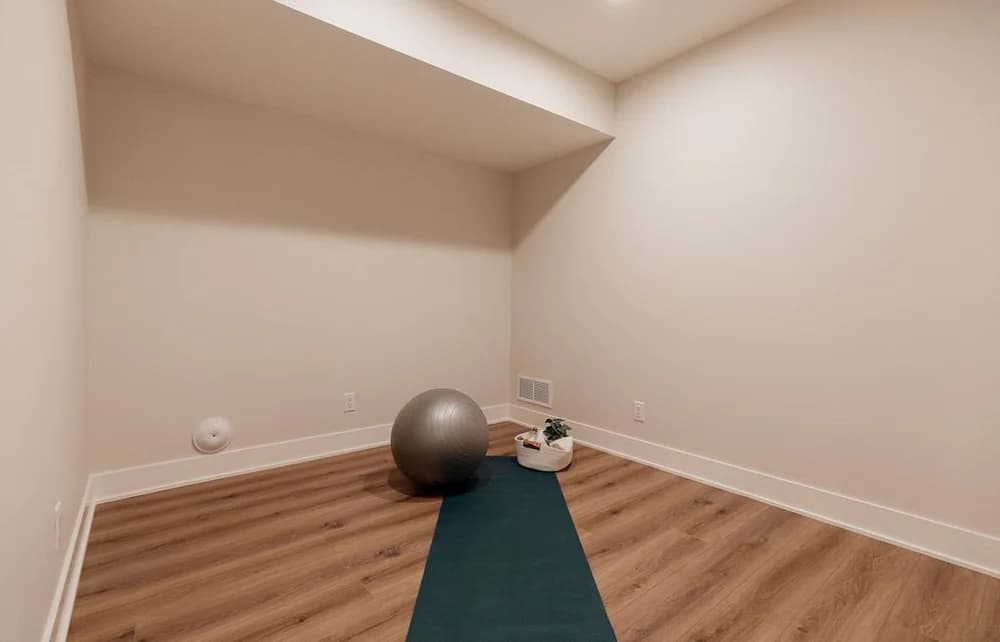
Close-range finishes reveal everything
Small defects, failed adhesion, rough sanding, poor caulk lines, inconsistent texture, and uneven sheen become obvious on cabinets, millwork, doors, and other detailed surfaces.

Cabinets, built-ins, millwork, doors, texture, stained wood, and detail surfaces that require more preparation control than standard wall painting.
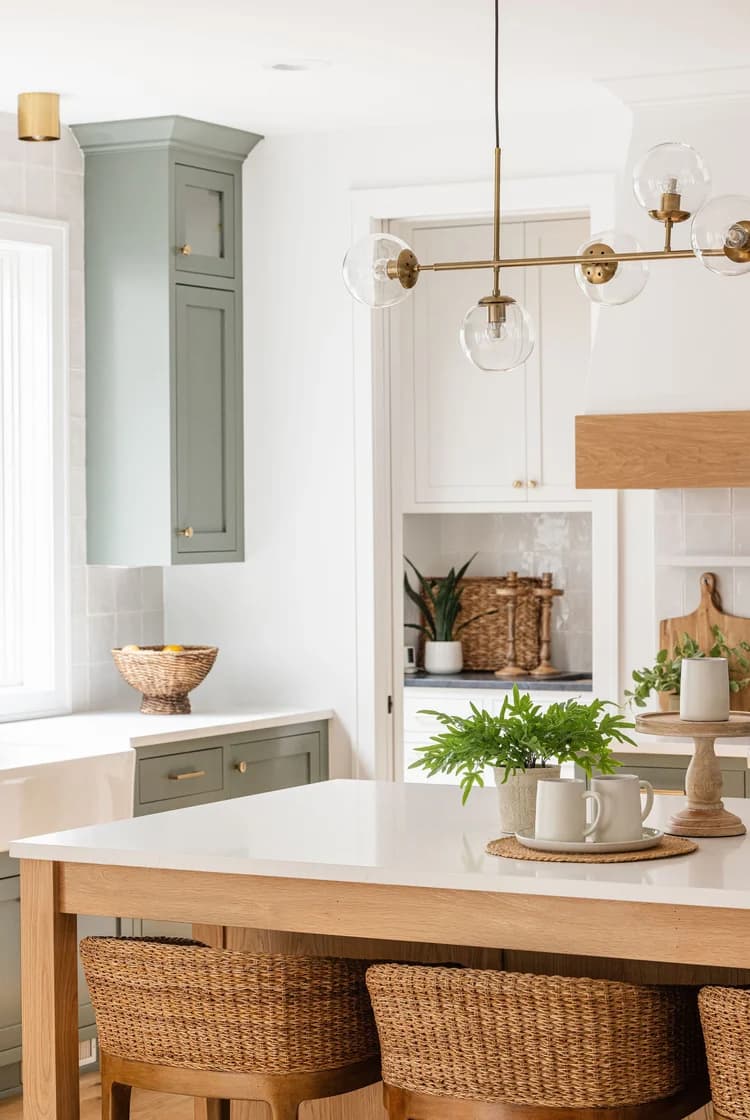
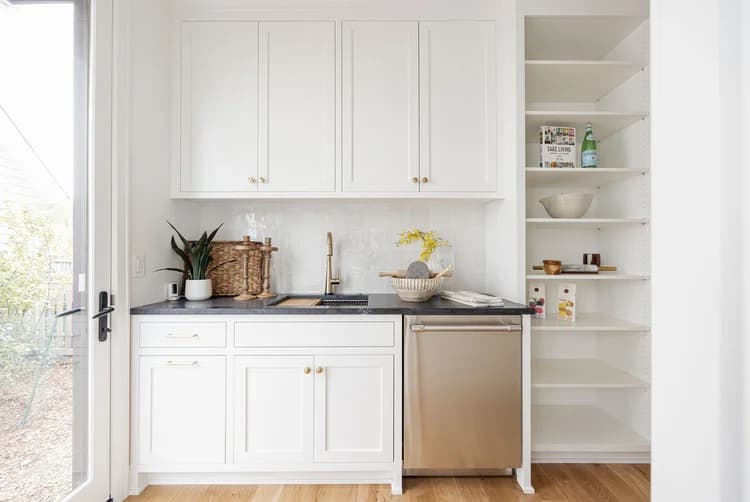
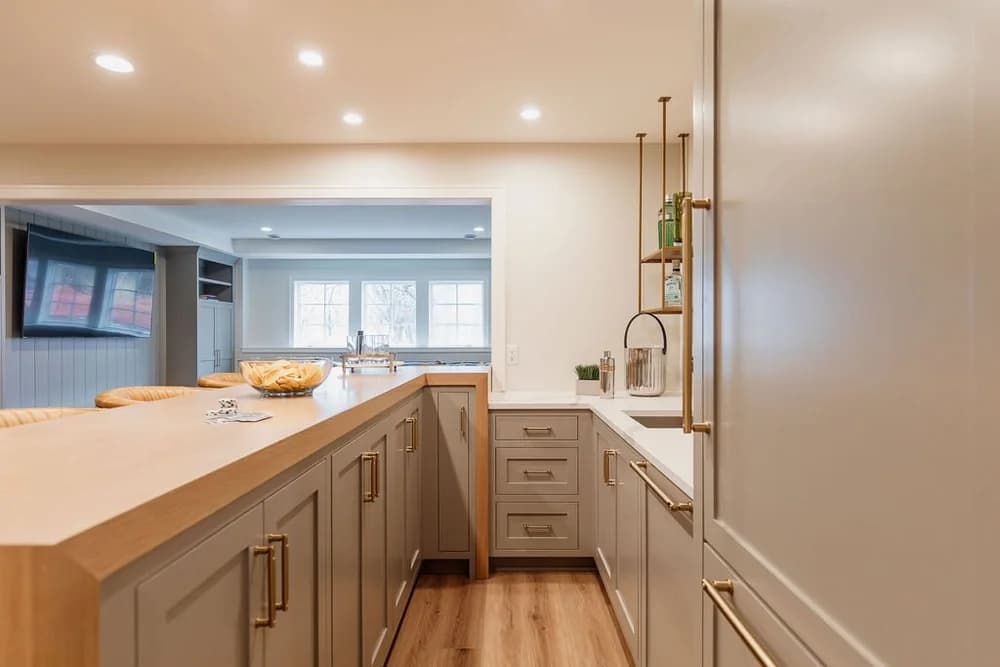
Small defects, failed adhesion, rough sanding, poor caulk lines, inconsistent texture, and uneven sheen become obvious on cabinets, millwork, doors, and other detailed surfaces.
Completed records include cabinet and enamel preparation, controlled spray-booth work, ceiling texture changes, built-ins, vanities, wainscoting, doors, and detailed stair work.
Smoother repaired surfaces, consistent sheen and texture, cleaner joints, and detail work that fits the quality of the surrounding room.
A better paint job starts before paint is opened. Our named finishing system turns planning, prep, material selection, application, and closeout into a repeatable standard instead of a crew-by-crew guess.
Existing coating, wood condition, damage, texture, joints, hardware, and adhesion risks are reviewed first.
Cleaning, sanding, filling, caulking, masking, texture repair, and primer are matched to the actual surface.
Enamel, wall coating, texture, or stain/seal/varnish methods are separated rather than forced into one generic process.
Edges, faces, profiles, reveals, seams, and touch points are checked before handoff.
Specialty work is where generic painting processes break down.
Hand sanding, filler repairs, caulking, dust removal, and primer are handled independently from wall prep.
Removal, repair, primer, and new knockdown texture require protection and substrate evaluation before coating.
Stain/seal/varnish work uses sanding, cleaning, penetration, and intercoat sanding appropriate to wood finishes.
Specialty surfaces are reviewed at the viewing distance they will actually be used.
The current published proof includes completed cabinet, texture, millwork, built-in, vanity, stair, and stained-wood work documented in the project records.
A strong project decision should be supported by verified reviews, visible process, relevant project examples, and clear communication standards.
Loading Google reviews…
Send close-up photos of the surface, current coating or texture, damage, desired appearance, and timing so the correct prep and finish system can be scoped.
Start Project InquirySee how the work is planned and controlled.
Choose the service line closest to your project.
Compare project examples and finish standards.
Share the address, timing, photos, and goals.